




Simple analysis of the advantages, disadvantages and energy consumption of micro-heat and zero-energy gas regeneration adsorption dryers
Adsorption dryers can be roughly divided into several types based on the regeneration method and temperature of the adsorbent. Non-gas-consuming regenerative adsorption dryer and three types: heating and mild heating. Today, we will briefly introduce the advantages, disadvantages, and energy consumption comparison of mild heating and non-gas-consuming regenerative adsorption dryers.
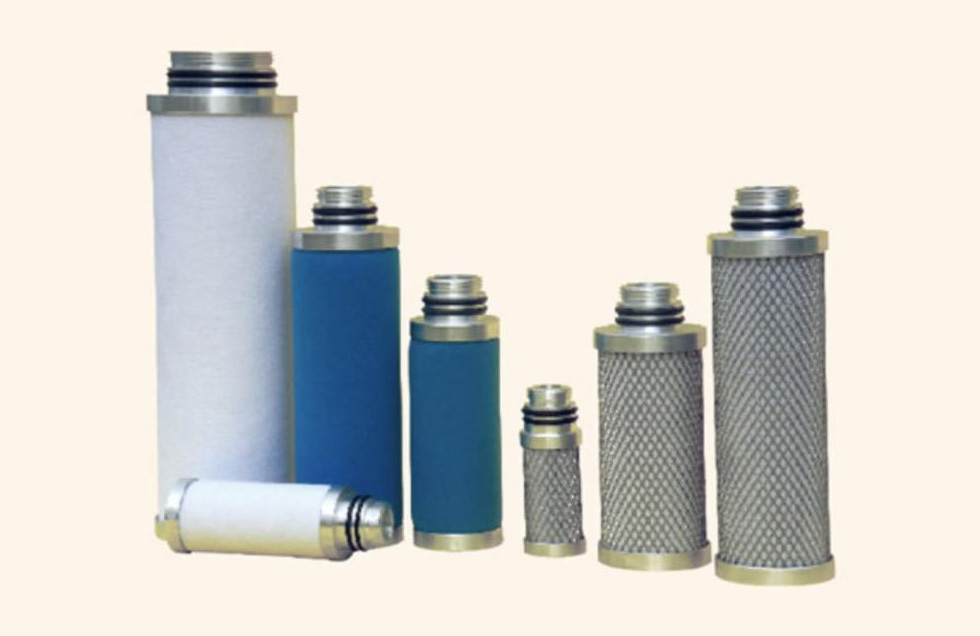
1. The characteristic of the non-gas-consuming regenerative adsorption dryer is that it changes the operating conditions, allowing adsorption to occur under pressure and regeneration under normal pressure or vacuum. The operating time is only 5-10 minutes, the equipment is small, the manufacturing is simple, and the consumption of regeneration gas is large; due to its large volume, the dual-tower non-thermal regeneration dryer requires the entire desorption energy of the finished gas, so the regeneration gas consumption is relatively large, generally 15%. The modular non-thermal regeneration dryer adopts a modular structure, small volume, light weight, and relatively small regeneration gas consumption, generally around 5%.
Non-gas-consuming regenerative adsorption dryer It is based on the principle of pressure swing adsorption and regeneration cycle, using self-heating (no external heat source) for adsorption drying. Compressed air alternately flows through two adsorption towers. When one adsorption tower is under high pressure (working pressure), the desiccant absorbs a large amount of water, while the other adsorption tower is filled with dry low-pressure gas through the regeneration gas pipeline to analyze the water absorbed by the desiccant.
Advantages: simple structure, easy maintenance;
Disadvantages: large gas consumption, high energy level, small effective gas supply, and sometimes unstable dew point.
2. Mild heat regeneration dryers, based on non-thermal regeneration, appropriately heat the regeneration gas to increase the regeneration temperature and reduce regeneration gas consumption. This device has low regeneration consumption and good economy. This type of mild heat regeneration dryer is divided into internal mild heat and external mild heat, with heaters inside and outside the dryer. The mild heat regeneration dryer places the heater inside the dryer, which can fully utilize the energy of the heater to dry the adsorbent. The regeneration gas consumption is generally around 5%.
Miniature regenerative adsorption dryers use external (electric heating) miniature heating regeneration methods to absorb and dry compressed air based on the principle of pressure swing adsorption and regeneration cycle.
It combines the advantages of pressure swing adsorption and temperature swing adsorption, adsorbing (working) at normal temperature and high steam partial pressure; desorption (regeneration) at high temperature and low steam partial pressure means that the water adsorbed by the adsorbent during the adsorption process can be completely removed under the combined action of thermal diffusion of the regeneration gas (heated by the dried air) and low partial pressure.
Advantages: longer working cycle, stable dew point of gas supply;
Disadvantages: energy consumption is still too high, consuming 7% of compressed air and a certain amount of electricity.
Companies can choose a dryer suitable for their production based on gas requirements, energy consumption, regeneration methods, price, and other factors.
Relevant Cases
Product Consultation
Dedicated to provide you with quality products and professional services, please keep the phone open, We will contact you as soon as possible, thank you for your support!

Contact Information
200 meters east of Zhangjiawan Lishan Temple Village Committee, Tongzhou District, Beijing