




You won't know until you try it. The zero-energy regeneration adsorption dryer is very energy efficient!
Compressed air, due to its safety and convenience, is increasingly widely used in modern industry. The high reliability and civilized production required by modern industry also mean that more and more customers need oil-free, water-free, and dust-free purified compressed air. However, compressed air requires energy for purification, and air dryers are an energy-consuming part of the purification equipment. There are two types: adsorption and refrigeration. This article focuses on the new zero-air-consumption regenerative adsorption dryer to make a comparative analysis of the energy consumption of various air dryers, providing a basis for users' selection.
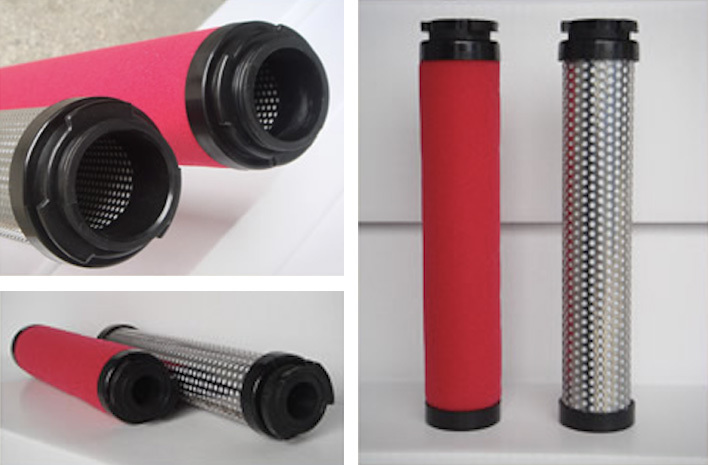
Traditional adsorption dryers consume air and electricity, with higher energy consumption than refrigeration dryers, but they have irreplaceable advantages such as low dew point and stable air delivery. Currently, common adsorption dryers mainly include zero-air-consumption regenerative adsorption dryer heating and waste heat.
The zero-air-consumption regenerative adsorption dryer uses about 15% of the finished air to purge and regenerate the adsorbent in the regeneration tower. Its advantages are: simple structure and easy maintenance; disadvantages are: high air consumption, high energy grade, small effective air supply, and sometimes unstable dew point.
The heat regeneration dryer requires an electric heater to heat 6% of the finished air and send it to the regeneration tower to heat the adsorbent for regeneration. Then, 6% of the finished air is used, and then the adsorbent is cooled to room temperature. Its advantages are: long working cycle and stable dew point of air supply; disadvantages: energy consumption is still too high, consuming 6% of compressed air and a certain amount of electricity.
The waste heat regeneration dryer uses the heat generated when the gas is compressed to directly heat the adsorbent in the drying tower, allowing it to detach.
We know that no matter what type of compressor, a large amount of compression heat will be generated when the gas is compressed, so the compressor is equipped with a cooler to cool the gas to room temperature. Then it is sent to the downstream equipment for drying treatment. This wastes a lot of thermal energy. The waste heat regeneration dryer utilizes this part of the energy. Therefore, no compressed air is consumed during heat regeneration, and only 2% of dry compressed air is consumed during cold blowing, fully utilizing the waste heat of the compressor to complete the regeneration of the adsorbent (the compressor can also save the last-stage cooler), and no blower and electric heater are needed. It can save 70% of energy. In today's energy crisis, it is indeed an ideal energy-saving dryer.
The new zero-air-consumption regenerative adsorption dryer also uses the high temperature of the waste gas from the last stage of the compressor as the heat for regenerating the adsorbent, but its ingenuity lies not only in using the waste heat of the compressor to complete the regeneration of the adsorbent, but also in not consuming any dry compressed air for cold blowing, making it zero-air-consumption, and also not needing a blower and electric heater, saving 88% energy. In today's energy crisis, it has truly become the ideal energy-saving dryer.
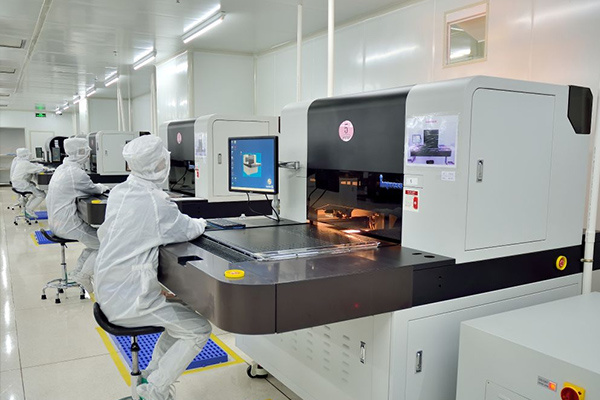
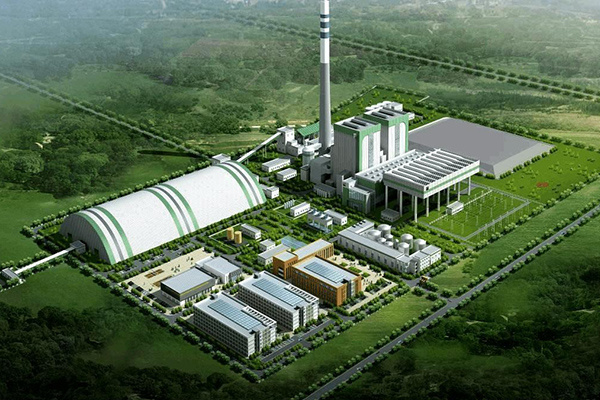
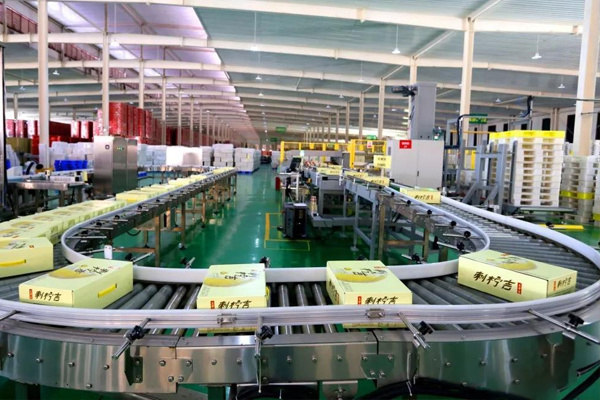
Relevant Cases
Product Consultation
Dedicated to provide you with quality products and professional services, please keep the phone open, We will contact you as soon as possible, thank you for your support!

Contact Information
200 meters east of Zhangjiawan Lishan Temple Village Committee, Tongzhou District, Beijing