




What are the adsorption methods for a zero-emission regenerative adsorption dryer?
Zero-air-consumption regenerative adsorption dryer As an important component in the compressed air purification process, its normal and proper operation directly affects the quality of the compressed air. Therefore, enterprises should pay attention to minor problems encountered during the operation of the adsorption dryer. Next, the editor will mainly introduce the adsorption modes of the zero-air-consumption regenerative adsorption dryer.
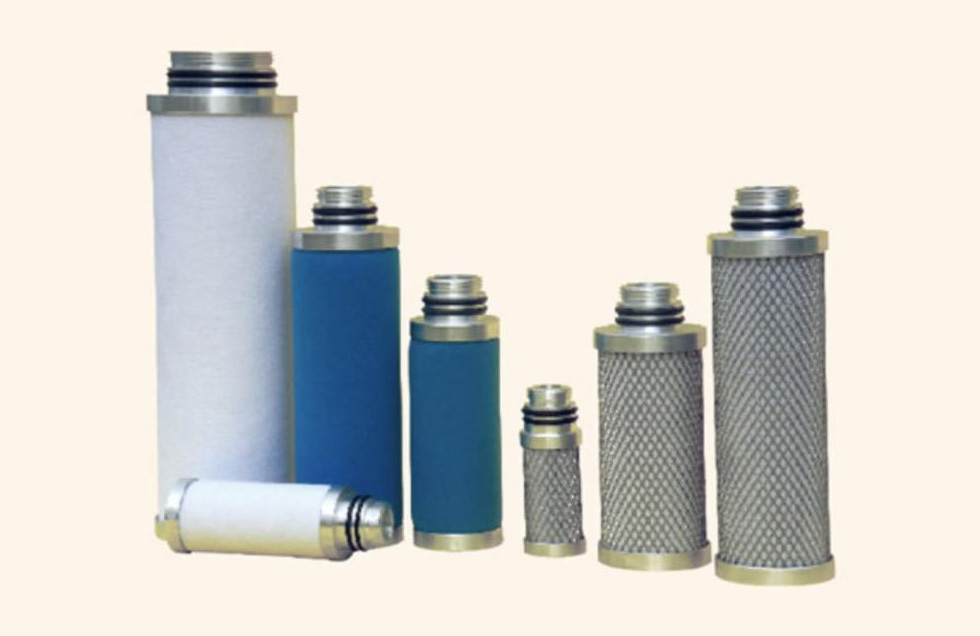
The adsorption methods of a zero-air-consumption regenerative adsorption dryer are as follows:
1. Vacuuming: After the adsorption bed is depressurized to atmospheric pressure, vacuuming can be used to further reduce the partial pressure of the adsorbed components to achieve better regeneration, but this method increases energy consumption.
2. Pressure reduction: The adsorption bed adsorbs at a higher pressure and then drops to a lower pressure, usually close to atmospheric pressure. At this time, some adsorbed groups are decomposed and absorbed. This method is simple to operate, but the decomposition of a single adsorption group is insufficient, and the degree of adsorbent regeneration is not high.
3. Replacement: Use a gas with strong adsorption capacity to replace the previously adsorbed components in the adsorbent. This method is usually used to obtain products from the adsorption phase when the product components have strong adsorption capacity while the impurity components are weak.
4. Flushing: Regenerate by passing a weakly adsorbed component or other suitable gas through the adsorption bed, and the partial pressure of the adsorbed component decreases as the flushing gas passes through. The degree of adsorbent regeneration depends on the amount and purity of the flushing gas.
The above are Zero-air-consumption regenerative adsorption dryer adsorption methods. I hope it helps you. Adsorption dryers utilize the adsorption properties of adsorbents (activated alumina, silica gel, and molecular sieves) to reduce the moisture content in compressed air. Generally, it can bring the dew point of air to below -40 degrees Celsius.
In industrial applications, many occasions have certain requirements for the dew point of compressed air. Currently, compressed air dryers with dew points reaching -40℃ are widely used in non-heating and micro-heating dryers. However, these two types of dryers consume a large amount of compressed air and electricity during operation, resulting in serious energy waste.
Compared with traditional non-heating and micro-heating dryers, Zero-air-consumption regenerative adsorption dryer is specially designed to use the waste heat from the air compressor to complete the regeneration of the dryer, achieving zero air consumption and zero heat consumption in the compressed air drying process, greatly reducing the energy consumption of the air compression drying process.
Using the heat of the high-temperature air discharged from the air compressor to directly heat the adsorbent after the adsorption process, allowing the adsorbent to be completely dehydrated and regenerated. Since the compressed air is not discharged during the heating and regeneration process, zero gas consumption and zero heating power consumption are achieved in the compressed air drying process. In actual operation, the drying and regeneration cycle can be adjusted adaptively and intelligently according to the real-time monitored pressure dew point.

Relevant Cases
Product Consultation
Dedicated to provide you with quality products and professional services, please keep the phone open, We will contact you as soon as possible, thank you for your support!

Contact Information
200 meters east of Zhangjiawan Lishan Temple Village Committee, Tongzhou District, Beijing