




What is the working principle of a zero-emission regenerative adsorption dryer?
With the continuous improvement of industrial levels, zero-purge regenerative adsorption dryers have been widely used in the market. Do you know its working principle? What is the basic workflow? The working principle of a zero-purge regenerative adsorption dryer. If you want to understand it, you can take a look.
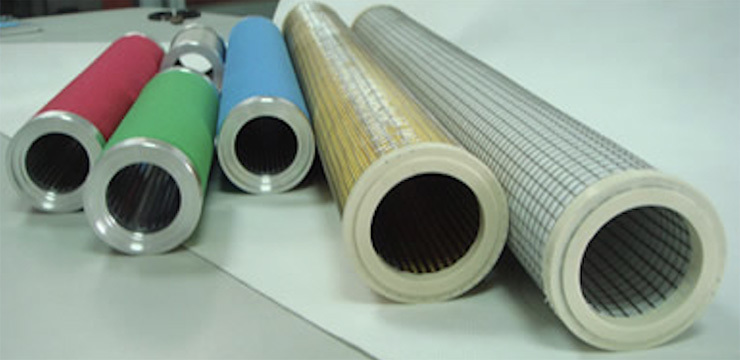
The working principle of a zero-purge regenerative adsorption dryer is as follows:
zero-purge regenerative adsorption dryers Generally, a dual-tower system is used, with one tower for adsorption and one tower for desorption. The actual operation process of a heatless regenerative dryer is divided into three stages: adsorption, regeneration, and pressure equalization. Micro-heat and heated regenerative dryers form a cycle through four stages: adsorption, regeneration, cooling, and pressure equalization. In the working chamber, compressed air alternately flows through two tower vessels containing adsorbents A and B. When one tower is adsorbing under working pressure (high water-gas partial pressure), the other tower is desorbing under near atmospheric pressure (dropping pressure) or under heating conditions, and then the two towers are switched alternately according to the set program.
Zero-purge regenerative adsorption dryers achieve drying effects through "pressure swing" (pressure swing adsorption principle). Because the air's ability to hold water vapor is inversely proportional to pressure, a portion of the dry air (called regeneration gas) expands to atmospheric pressure under reduced pressure. This pressure change makes the expanded air drier, and then it flows through the desiccant layer (i.e., the drying tower that absorbs enough water vapor), which is not connected to the airflow and needs regeneration. The dry regeneration gas absorbs the moisture in the desiccant and removes it from the dryer to achieve dehumidification. The two towers cycle, without a heat source, continuously supplying dry compressed air to the user's gas system.
Compressed air dryers are compressed air drying equipment made using the characteristic that the adsorbent has a large adsorption capacity for water vapor in the air at room temperature. Zero-purge regenerative adsorption dryers have low dew points, low water content, and high energy consumption after treatment.
This article introduces the working principle of a zero-purge regenerative adsorption dryer. In actual production, the actual energy consumption is sometimes far higher than the theoretical value. For example, the material may stay in the drying hopper for too long, the amount of gas consumed for drying is large, or the adsorption capacity of the molecular sieve is not fully utilized.
In recent years, zero-purge regenerative adsorption dryers have been widely used, including leather drying, laboratory drying, and drying applications. What are the common troubleshooting methods for zero-purge regenerative adsorption dryers? Next, the Copco ultrafiltration editor will provide you with a specific explanation.
zero-purge regenerative adsorption dryers Common troubleshooting methods:
No response after startup: Check if the power supply is normal, if the switch is in good contact, and if the fuse is blown.
Dual towers do not switch: Dryer programmer failure, equipment main solenoid valve failure.
After startup and operation, the silencer continuously vents: Tower A regeneration, Tower B membrane valve solenoid valve damage, and vice versa.
Excessive pressure drop: Check if the configured filter is clogged, and if there are leaks in the piping system. Find the leak point and eliminate it.
Troubleshooting for zero-purge regenerative adsorption dryers is relatively simple. It's basically something that can be seen with the naked eye. Zero-purge regenerative adsorption dryers usually have problems such as valves not closing tightly or impurities getting stuck, AB towers not switching, the silencer always discharging into the atmosphere, and no outlet.

Relevant Cases
Product Consultation
Dedicated to provide you with quality products and professional services, please keep the phone open, We will contact you as soon as possible, thank you for your support!

Contact Information
200 meters east of Zhangjiawan Lishan Temple Village Committee, Tongzhou District, Beijing